Midwives usually see our patients at their highest points — the planned-for pregnancies and joyful news. But we also sit in the quiet, uncomfortable spaces where this news might not be a celebration.
In this episode of Call the Midwife, Rosalind walks straight into one of those spaces with Agata Balassa.
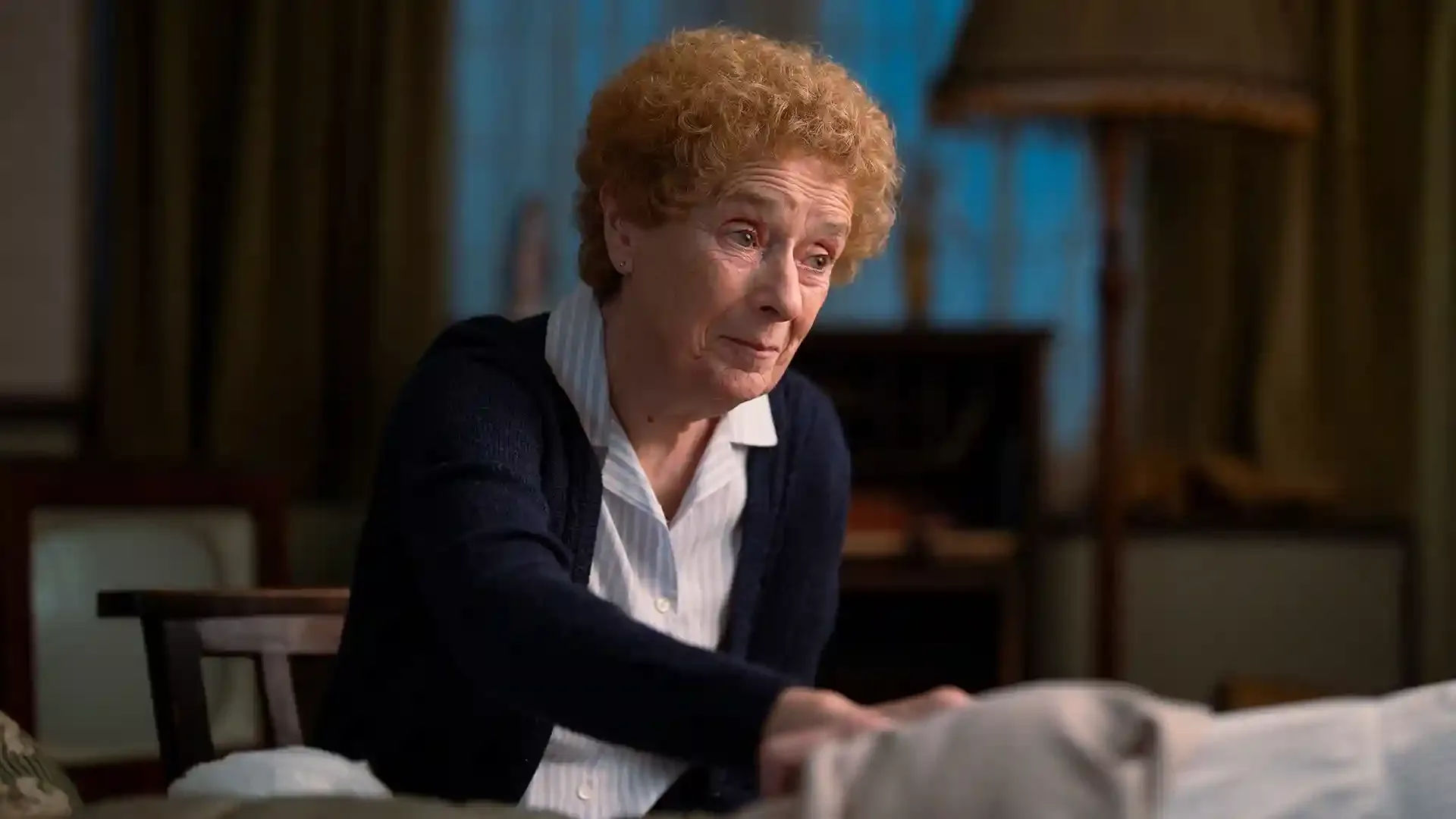
While Rosalind was initially visiting the home to check in on Vera, who has multiple sclerosis, she meets Agata in the process. Vera and her husband, Laszlo, seem to be a loving couple who brought their cousin Agata with them when they immigrated to England.
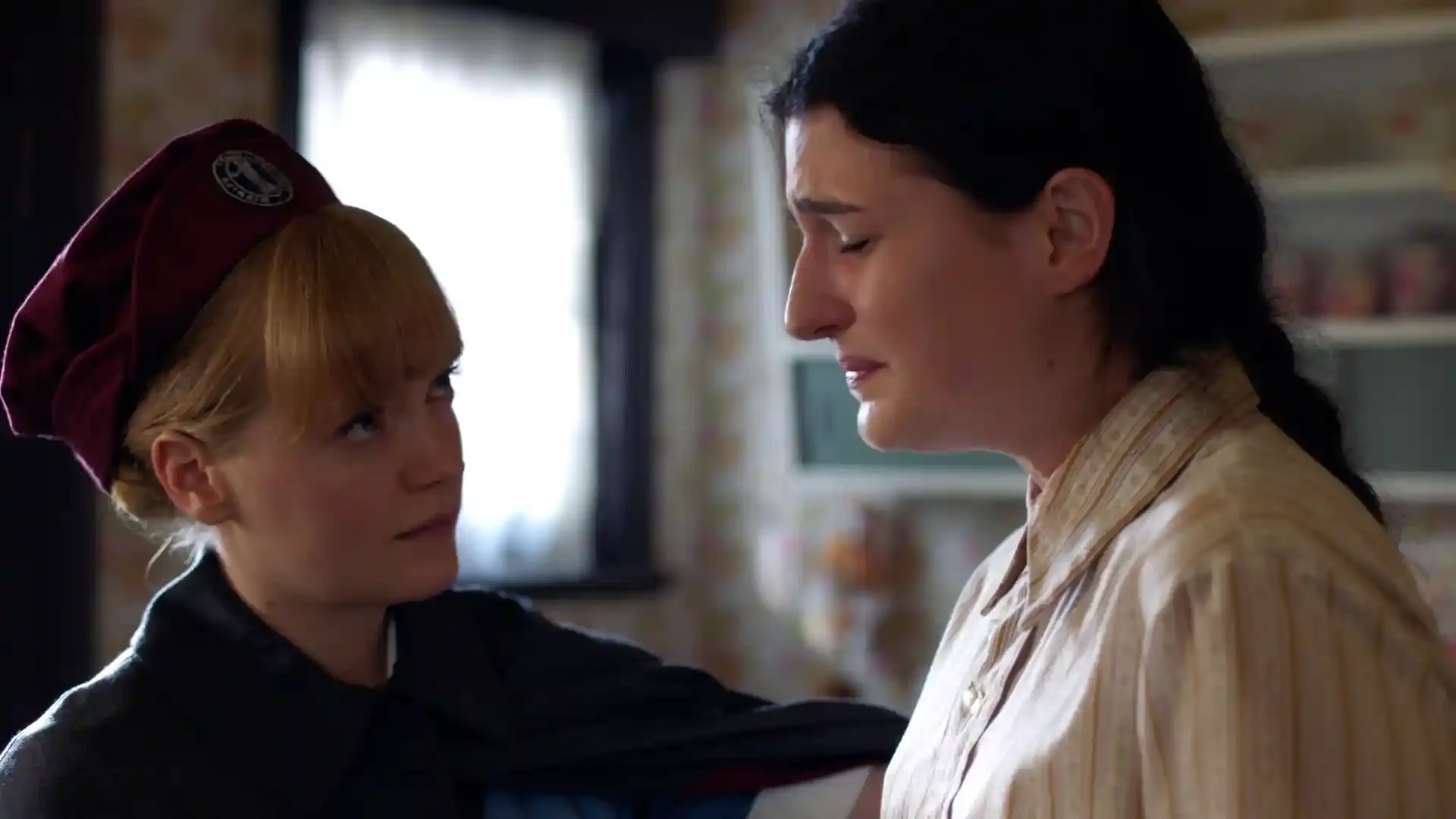
In a short moment alone, Rosalind realizes that Agata has a significant burn on her arm and doesn’t initially understand why Agata wouldn’t let her examine or help care for the wound. Rosalind is insistent that she will not leave until she provides care and is able to clean and dress the wound while encouraging Agata to share how she got such an injury.
The story Agata shares is heartbreaking.
In that instant, Rosalind’s role shifts. She isn’t just bandaging a wound; she is becoming a lifeline. The extent of the abuse is shocking — Agata essentially works as an indentured servant to Vera and Laszlo. She is not allowed to leave the house. She lost all access to her immigration papers and passport.
Worst of all, she is repeatedly raped by Laszlo with the goal of providing a child for Vera and Laszlo to raise as their own.
While Rosalind happened upon a quiet moment alone with Agata, for many women, a midwife or OB provider might be the only person they are ever allowed to see alone. If we suspect abuse, it’s important to offer strategies in a patient-led manner.
Use the small windows of opportunity we get alone with patients to ask them if they feel safe or are experiencing any abuse. This might only be available when walking someone to the restroom, or while showing their partner where the pantry on the maternity unit is. We sometimes have to create a safe window of opportunity to get someone alone.
Abusers often try to be present as much as possible in health care situations, because they don’t want their partner being questioned without them. They might even come across as caring, doting, or loving. It might feel a little overbearing, and that could be the first red flag we notice as providers.
If a victim of intimate partner violence is not ready to ask for help, medical professionals can still help the situation by objectively documenting any injuries and including photos with the patient’s permission. This may help in the future if someone does want to press charges, because it can be used as evidence.
We’ve even had to adapt this further to today’s digital age. With electronic medical records, we now have ways to “hide” sensitive notes from the patient portal. It feels a bit like digital counterintelligence, but it’s a necessary shield against an abuser who might be monitoring every word we write.
In modern practice, we have more of a framework with legal duties with “mandatory reporter” status, but the legal “gray area” of intimate partner violence (IPV) is still a heavy mental load. Unless there’s a weapon involved or a life-threatening injury, we can’t always move forward without the patient’s consent. We have to wait for them to be ready, which is one of the hardest parts of the job.
When Agata ends up disclosing the abuse she has been enduring, Rosalind is able to provide her with resources for where to go if she can get away from the Kovacs house. Agata is ready to receive help, and because of the patient kindness of Rosalind, she feels safe asking for that help.
Between Rosalind’s experience working with underprivileged families in Poplar, as well as her close relationship with Cyril, who works with social services, she is knowledgeable about the women’s shelters in Poplar. She is able to pull some strings to help Agata get a place to stay for the night.
Much like Rosalind assisted Agata with finding a safe place to stay in the women’s shelter, we can connect our patients with resources. This might include safe and secure shelter, necessary items like clothing and food, or legal assistance. This part can feel overwhelming, but usually your health care organization’s social work department has this information. You can even directly contact local organizations that help people fleeing domestic violence or sexually abusive situations.
It is also important that we carefully document any evidence, including contacting a Sexual Assault Nurse Examiner (SANE) if needed. A SANE is a specially trained nurse who can obtain forensic evidence in the event of a sexual assault and will preserve the chain of custody of the evidence, so it can be usable if the victim decides to press charges.
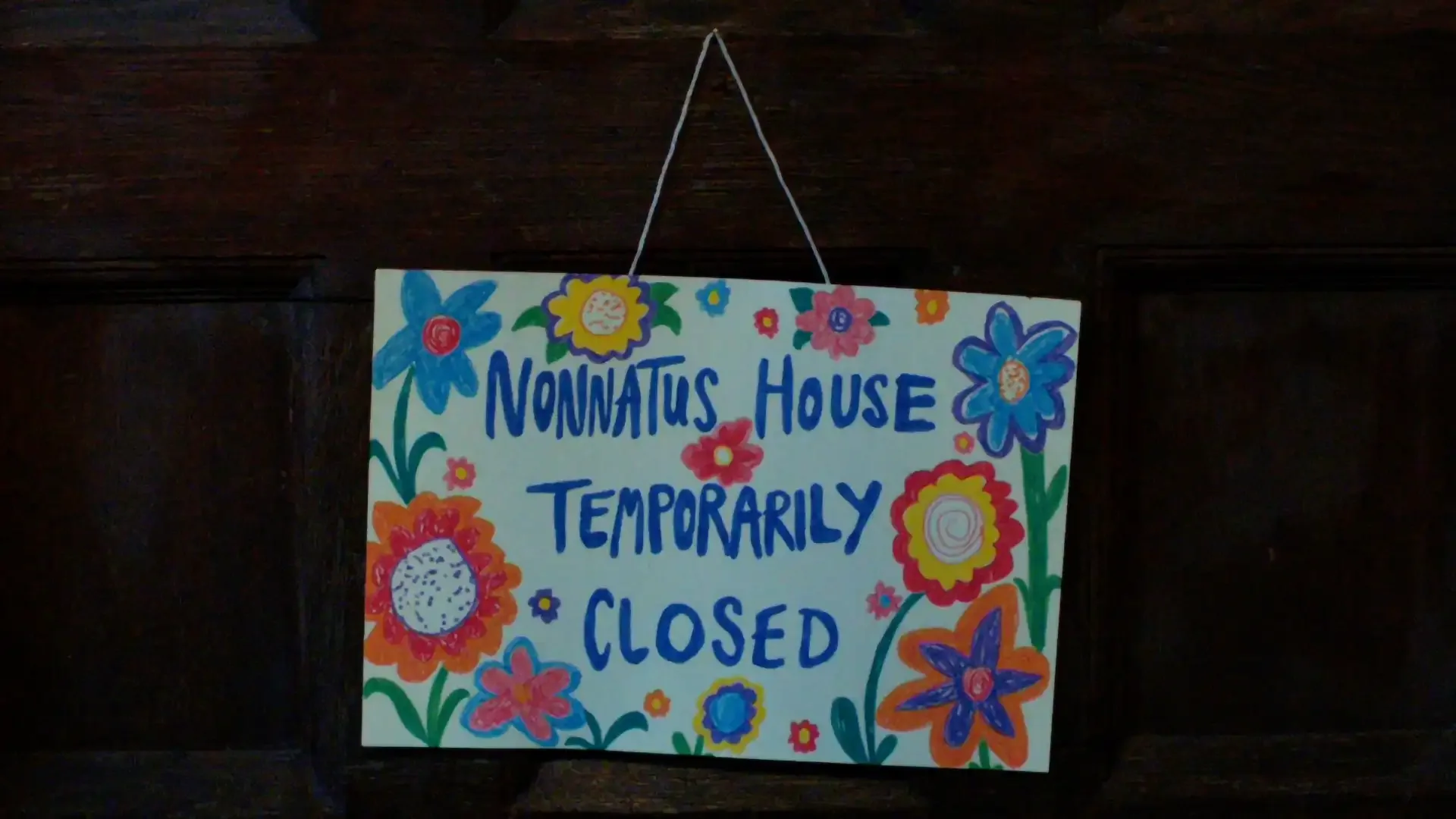
While SANE-trained nurses were not available in 1970s Poplar, the midwives of Nonnatus House still did an amazing job advocating for their patient while doing their best to keep her safe. In stark contrast, the police cared more about Agata’s stolen paperwork than her stolen bodily autonomy.
It’s a gut-punch to realize how little has changed.
We still hear the same tired excuses: Was she drinking? What was she wearing? Why didn’t she leave sooner? As if any of those things make the unthinkable okay.
Whether it’s 1971 or today, our job remains the same: to believe women, to document the truth, and to hold the door open until they are ready to walk through it.