Catch-up on Season 15 with PBS Passport
Modern Midwives Blog
“The word ‘promise’ means so many things and offers up so much. ‘Promise’ is a noun, a verb, and a virtue. It speaks of covenants, and of reassurance. It tells us of good things to come. A promise can be made or given. It can be broken or kept. Binding or fragile, earthly or solemn, it can be divine, or unutterably human.”
Episode 3 had several storylines. We started off joyfully with Rosalind getting confirmed and Cyril gifting his own bible that he had brought from home.
We met the Kovacs, who were a couple from Hungary. Laszlo and Vera Kovacs seemed so loving and sweet when Rosalind came to do a home visit for Vera due to her multiple sclerosis. They had brought Vera’s cousin, Agata Balassa, over to help. However, they had imprisoned, starved, and raped her for their own ends and purposes based on their desire for a child. Rosalind courageously took it upon herself to act.
Joyce Highland spent time helping on the ward at St. Cuthbert’s. She took care of a young single woman named Eileen Hudson, whose pregnancy was complicated by a complete placenta previa.
A placenta previa is when the placenta or afterbirth is completely covering the cervix, which is the opening of the uterus. This situation necessitates a caesarean section.
Eileen runs into further complications with a postpartum hemorrhage, and Joyce goes the extra mile to reach out to Eileen’s estranged Aunt Moira for life-saving and life-affirming assistance.
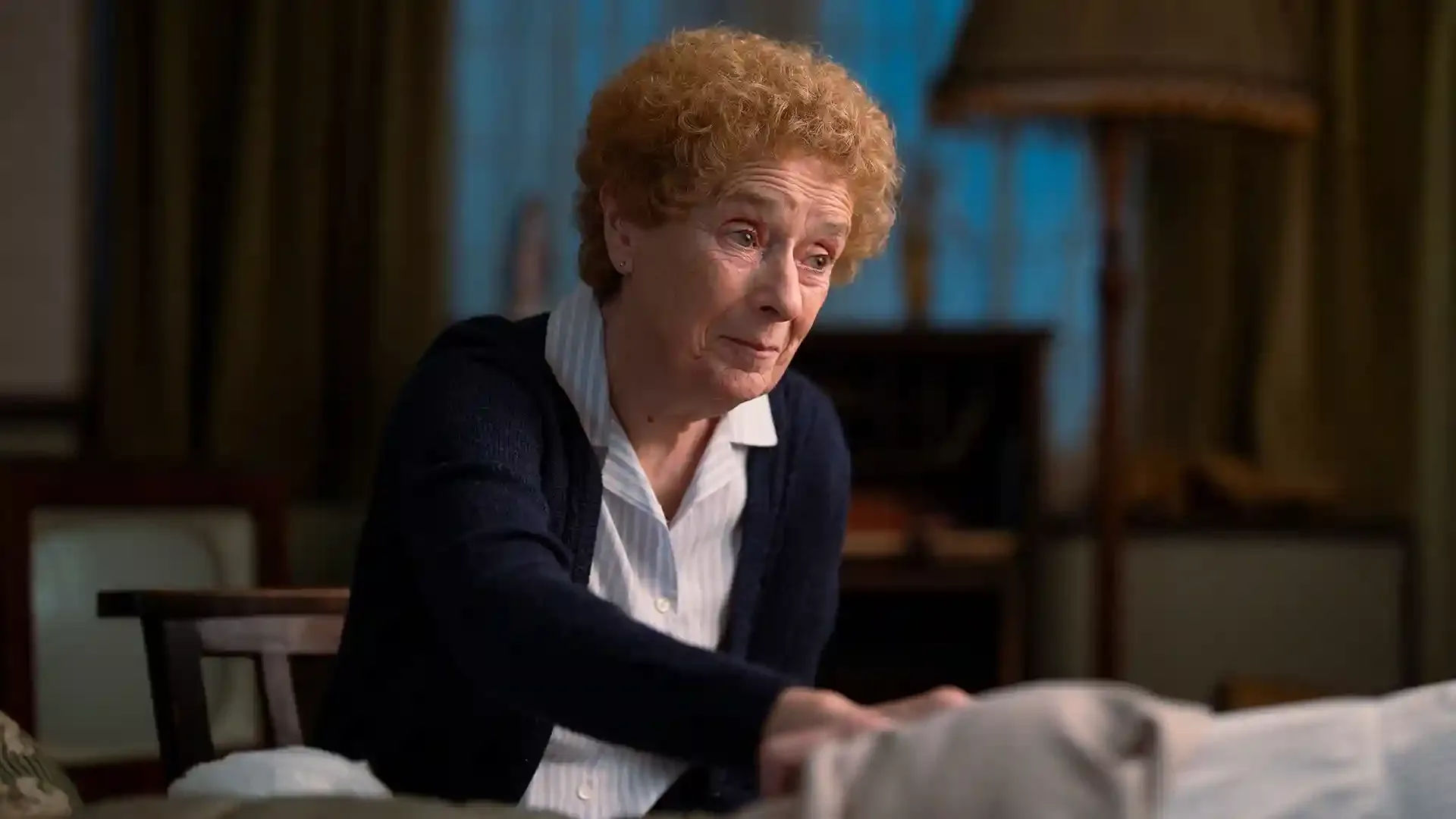
Joyce shows her exceptional empathy and work ethic throughout the episode, and her consistent actions make all the difference. And, the community has an event called the Time Capsule Year 2000 and everyone gets in on the fun and celebration.
As a modern-day midwife, I saw things that stood out as changes available in the medical care.
Eileen had an X-ray to identify her issue rather than an ultrasound. She had a classical caesarean section (that is a vertical incision on the uterus) rather than a low transverse incision for the caesarean section (horizontal scar low down on the uterus). The surgery was done under general anesthesia (sometimes you hear someone say they were “put to sleep”) instead of under epidural anesthesia.
But what I want to blog about is not the medical care, but rather the heart of how we approach our interactions and our work. I noted this came up in several storylines — the heart of how we approach our care. As a modern midwife, I have faced many of the same challenges of how to protect being “with woman” and supporting the midwifery philosophy or model of care.
In our storylines, I took note that our characters followed their hearts with their mission of serving people and their community. You could feel that this was their calling, and it went beyond being just a job for financial reimbursement.
This is how I have often felt in my own career. It is the difference of listening and truly hearing; looking and truly seeing; holding your hand out to assist and waiting until they grab ahold. And, just like the Nonnatus House team, you sometimes have to draw outside the lines.
These things also take TIME in order to follow to give the best care.
In one interaction, we saw Trixie talking to Sister Julienne. Trixie wanted to discuss some financing strategies she had noted when she met with the Lady Emily Clinic, while Sister Julienne cut her off immediately with stating, “Why have you been talking to the Lady Emily? That clinic is run for the benefit of the rich, not the needy. Our mission lies with the poor.”
I loved that Trixie is trying to see options for their survival so that they can continue to take care of their community. Sister Julienne is razor sharp focused on her mission. This can feel like a clashing of perspectives. And how it unfolds can either lead to transformation, and sometimes it leads to the demise of the organization or the status quo.
I do fear for our team — they need some serious strategic planning! Both Trixie and Sister Julienne want the same thing; however, their flexibility with how to accomplish that may differ quite drastically.
As a modern-day midwife, we often see midwifery services under immense pressure to see more and more clients in less and less time. They want the midwives to practice under the same medical model as the physicians. However, the midwifery model of care is quite different.
As well, midwives are often restricted from practicing to the full extent of their education. Care can be fragmented if you are working in a very medical environment that is not supportive of client choice or midwifery care.
It got me thinking of times when I was interviewing or looking for midwifery positions that would fit within the midwifery worldview or paradigm. I often felt that I was interviewing them more than the other way around. I knew I wanted an environment that supported the midwifery model of care and gave me the time and flexibility to really embrace evidence-based care and shared decision-making while supporting the client’s desire for that model of care.
It is clear that you need to make sure that your work environment matches your vision, mission, and core values. This is not always easy. You may decide to leave or the service may just be closed. It does not matter what is best for the women or the community.
I have worked with organizations when we were developing or examining our purpose and how that would unfold into our strategic planning. Strategic planning entails thinking of what your mission is first. You develop or reexamine your mission statement, and that helps you move towards your aspirations or vision.
Your core values act as a guiding light is. They are the underpinning, or your guiding principles. This moves you to your strategic roadmap or actions. All of this then helps as you make your goals and objectives to move your agenda.
This sequence is often considered a hierarchy — moving from purpose (mission) to aspiration (vision) to action (strategy).
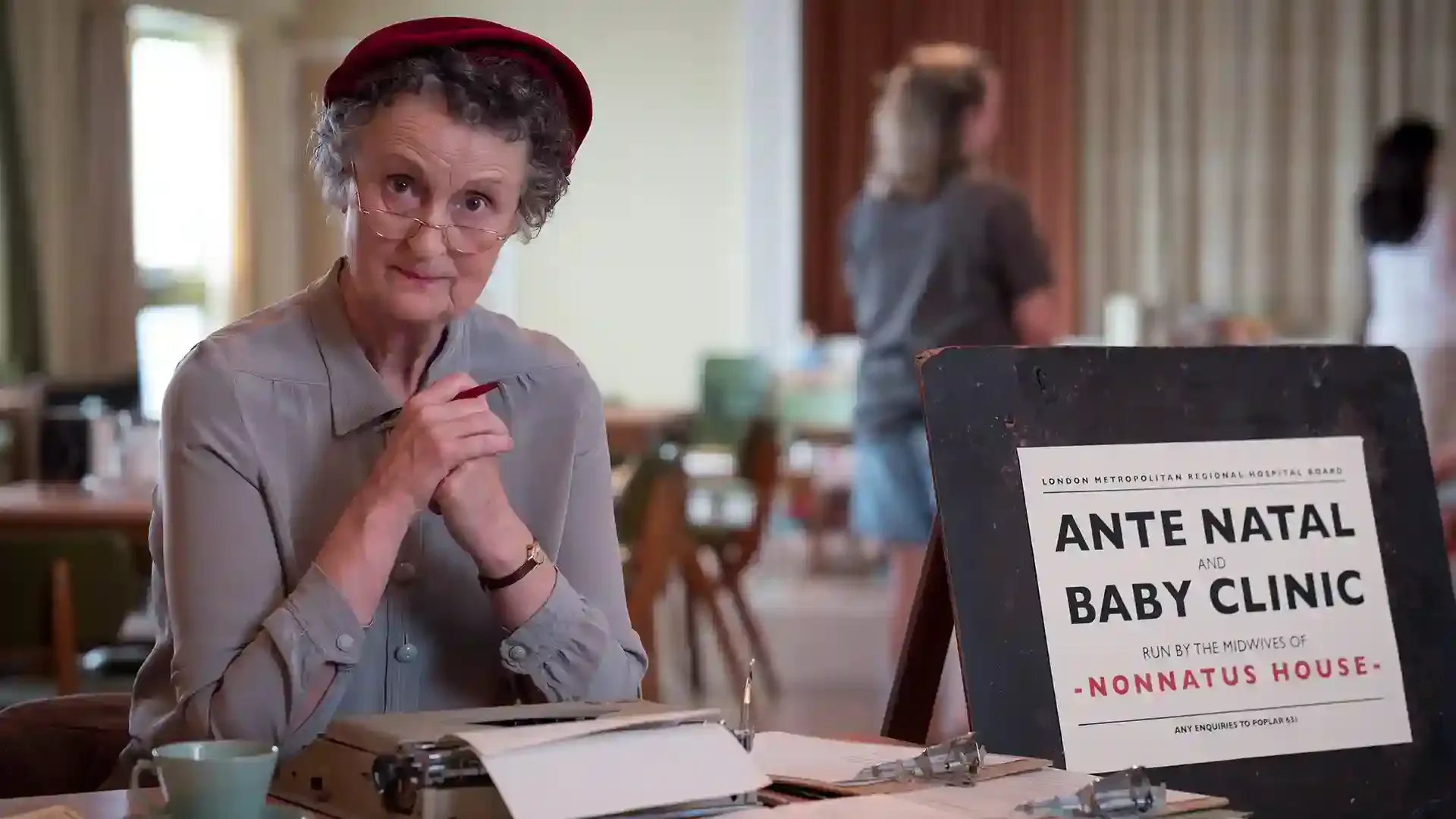
Our Nonnatus House midwives and nuns are facing long-term direction concerns. Well, modern midwives also face similar concerns and issues.
We can practice in hostile climates with physicians who want to control the trajectory of everything on the hospital units. I have worked in hospitals that forced the midwives to leave or just dropped the entire midwifery service. Rural communities are losing many of their options for prenatal care and birth.
Our nuns are holding steadfast to their vision and values. I am anxious to see how they handle things!! I hope it can inform me with more tools to maybe pull forward into these days and times!
I have always held fast to my vision and how things fit into my ethical principles and beliefs to help guide my actions and behaviors. At times, that meant changing to a different organization with a culture that fit!
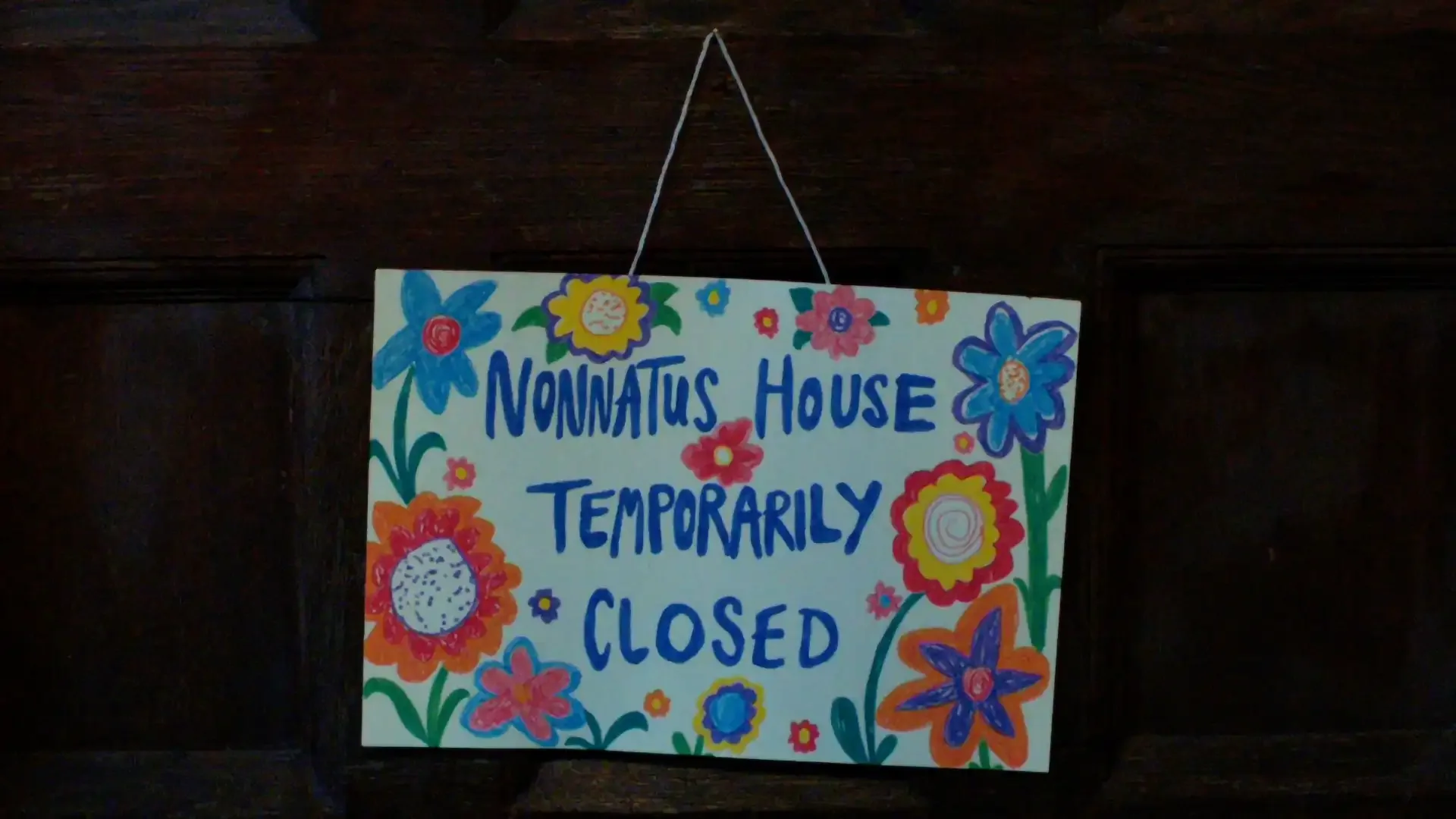
There were choices and priorities that helped shape decisions for an organization, or a midwifery service, or an individual midwife. These can be difficult decisions which impact survival. We always need to keep the survival of our community at the forefront. We have to make difficult decisions with actions that support the community, and hopefully, that also support the team.
Our opening started with talk of promises. And yes, promises are built on a foundation. That foundation is trust, or at least the potential or expectation as you are building that trust. It is an assurance that you will do or not do something now or in the future.
As our opening outlined, “‘promise’ can be a noun, a verb, or a virtue.” I am anxious to see how the Nonnatus House team handles some of their challenges. It may even inform modern-day midwives on our current plights and challenges in protecting women, normalcy, physiologic birth, and supporting client choice.
We promise our children that there is a future. That one day there’ll be others on the grass where they play now looking back in wonder at the lives that went before. Every life contains some promise at the outset. Sometimes its potential is not reached. Sometimes it blossoms despite the wind and rain. We all carry seeds within us. If we are blessed, they bloom into courage, faith, hope, and the love that finds a way. Children see nothing of that, nor do they need to. It is enough that they are laughing saying “This is who we were — last week, yesterday, an hour ago.” A child’s past, to a child, is already ancient history and their future feels as far off as the moon. That is as it ought to be. Let the present nourish us. Let us turn our faces to the sun. And even as the moment fades and falls away let us vow “We will remember it.”