In midwifery care, we strongly believe in a person’s right to make autonomous decisions.
Our role is not to dictate the plan of care, but to respect the individual patient’s right to choose it. We provide the education, and the discussion of risks and benefits. We might even make a recommendation based on our clinical knowledge.
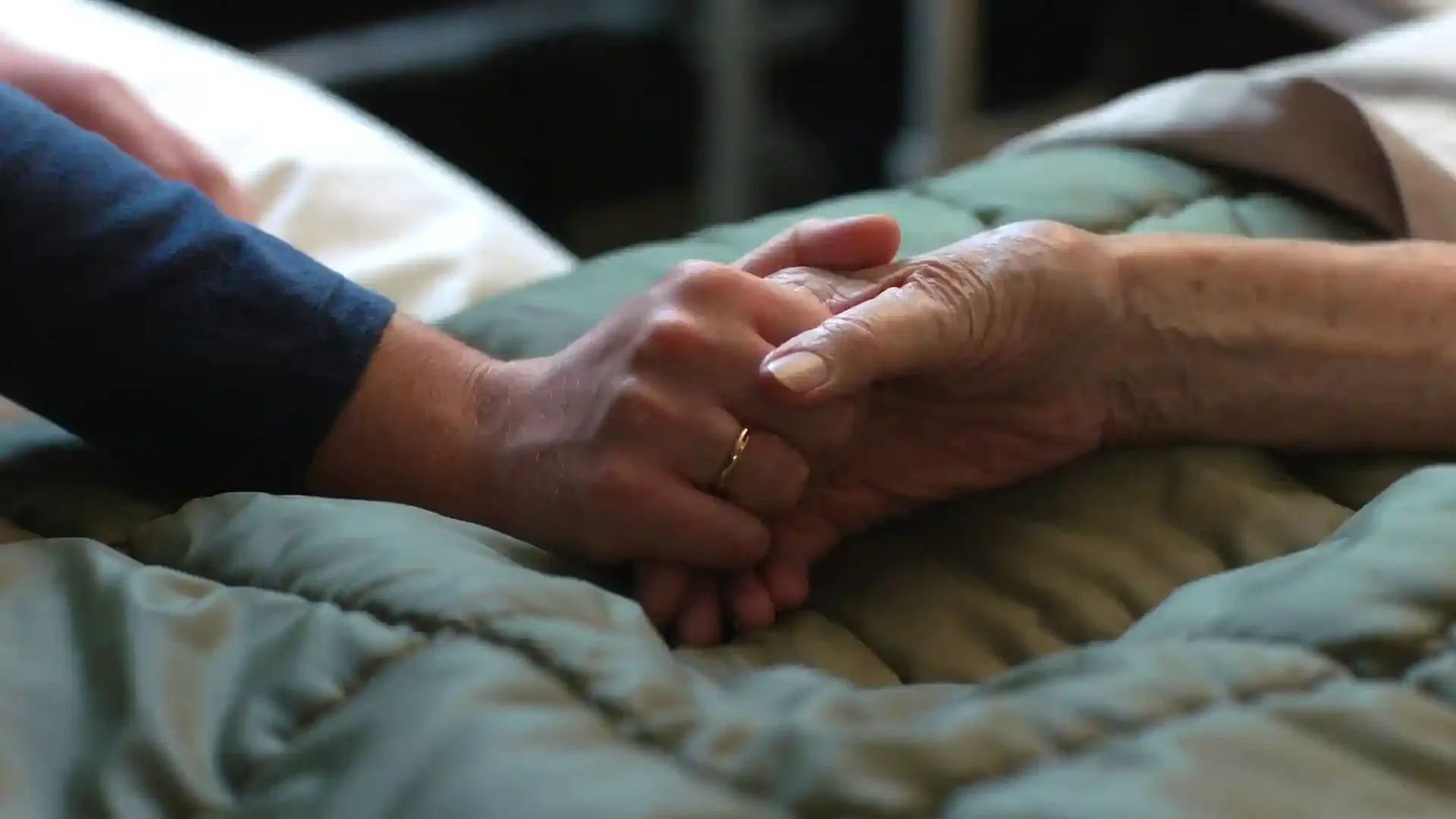
However, it is the individual’s right to make the final decision. This could be a person reclaiming their body during labor, or, like we saw this week, Sister Monica Joan reclaiming her dignity at what is likely the end of her life.
Autonomy is the bridge between clinical practice and truly person-centered care.
This makes perfect sense on paper, but in reality, this can be a challenging experience from the perspective of the midwife, especially in modern-day hospital practices. We are the “gatekeepers” of autonomy and have to learn to balance clinical safety and advocacy with patients’ rights.
I know that I sometimes feel stuck in between the hospital system’s policies or standard of care and the unique lived reality of the patient.
While I am very grateful to work in a hospital setting where midwifery care is honored and respected, it doesn’t mean that I haven’t felt the pressure to change the way we do things. We have been in meetings where they discuss patient length of stay, cost to the hospital if the length of stay exceeds the “standard,” and how we need to “keep things moving” in order to care for more patients.
I mentioned last week the expectation to see a certain number of patients in the office, and sometimes being double-booked in order to hit that “goal.” More recently, we have been in meetings discussing the recommended plan for labor inductions — basically, how to reduce the length of time in labor while still increasing the chance of a vaginal birth.
Ideally, this sounds wonderful. Who doesn’t want a shorter labor and vaginal birth? But with induction of labor comes interventions. With these guidelines, this means a pretty brisk pace of keeping these interventions moving. Not every patient wants that.
Every time I work, I feel the immense pressure to protect the patient’s choices, which requires a lot of emotional labor. Sometimes, we have to defend our patient’s rights to autonomy against a system that prioritizes efficiency and risk mitigation.
A sacred part of midwifery care is holding space and making sure that the patient’s voice is heard.
This experience mirrors the emotional weight in this week’s episode regarding Sister Monica Joan. Her Sisters, Dr. Turner, and the midwives are facing the very difficult task of suppressing their desire to “fix” her health in order to honor her choice to stop treatment.
As a midwife, watching a patient make a choice that I disagree with is hard. I often need to set aside my ego and very much try to see it from their point of view, but even then, sometimes I don’t understand!
Working in health care comes with heavy responsibility. It causes an enormous amount of stress to be the one who “allows” a natural process to unfold without interference, while knowing that I am ultimately responsible if the outcome is anything less than perfect.
Side note: I know that hospitals cannot “allow” you to do or not do anything — it is your body and your decision! But ultimately, I will be responsible — to the hospital system, the legal system, and/or potentially the licensing boards — for answering why an unexpected or poor outcome occurred, even if it was just because I was honoring someone’s wishes.
This is why we spend so much time providing education and documenting our counselling. Because you can truly only make an informed decision if you have all the correct information about risks and benefits.
Advocacy takes a lot of hard work and can feel draining at times. When a patient says “no,” we have to be the guardian of that “no.” There can be friction between the midwife or nurse and the other hospital staff when a patient is making a non-traditional choice.
Like the Nonnatus Sisters watching Sister Monica Joan, we have to realize that a “good outcome” isn’t always clinical perfection. We can define a “good outcome” as the patient feeling safe, cared for, and like their wishes were respected.
Another great example from this week was “young Dr. Turner,” Timothy, starting his obstetrics rotation. The difference between the care provided at the maternity home and in-home visits with the midwives was stark when compared to the clinical scenario at the hospital.
The approach at the hospital was very sterile. They focused on the task at hand rather than focusing on the fact that they were caring for a person.
Even the patient in labor mentions that she probably could labor and push more effectively if she didn’t have any audience. But her statement was quickly dismissed by the lead doctor — who in fact, then invites Timothy to peek under the drape and describe what he sees.
As the kids would say, this gave me “the ick.”
Timothy was then scolded for comforting a crying baby in the nursery, as the doctors were not meant to be holding babies, just providing medical care.
Timothy has grown up with the examples of his father and the Nonnatus team, who integrate their medical expertise with deep human compassion. Because of his lived experiences and the example of his father, Timothy has a profound understanding that health care is just as much about community and connection as it is about clinical intervention.
Ultimately, being a midwife means that you must realize that our hands aren’t always meant to “steer” the ship. You might have to let go and let someone else steer, even if you feel they may not have the same experience you do.
It’s not comfortable to stand back when all of your training is screaming at you to intervene.
When we protect a patient’s right to autonomy, we are doing more than providing medical care. We are affirming their personhood.
Whether this is in the labor room or in the bedroom of Sister Monica Joan at Nonnatus House, the goal is the same: we want the person we are caring for to feel like the writer of their own story.