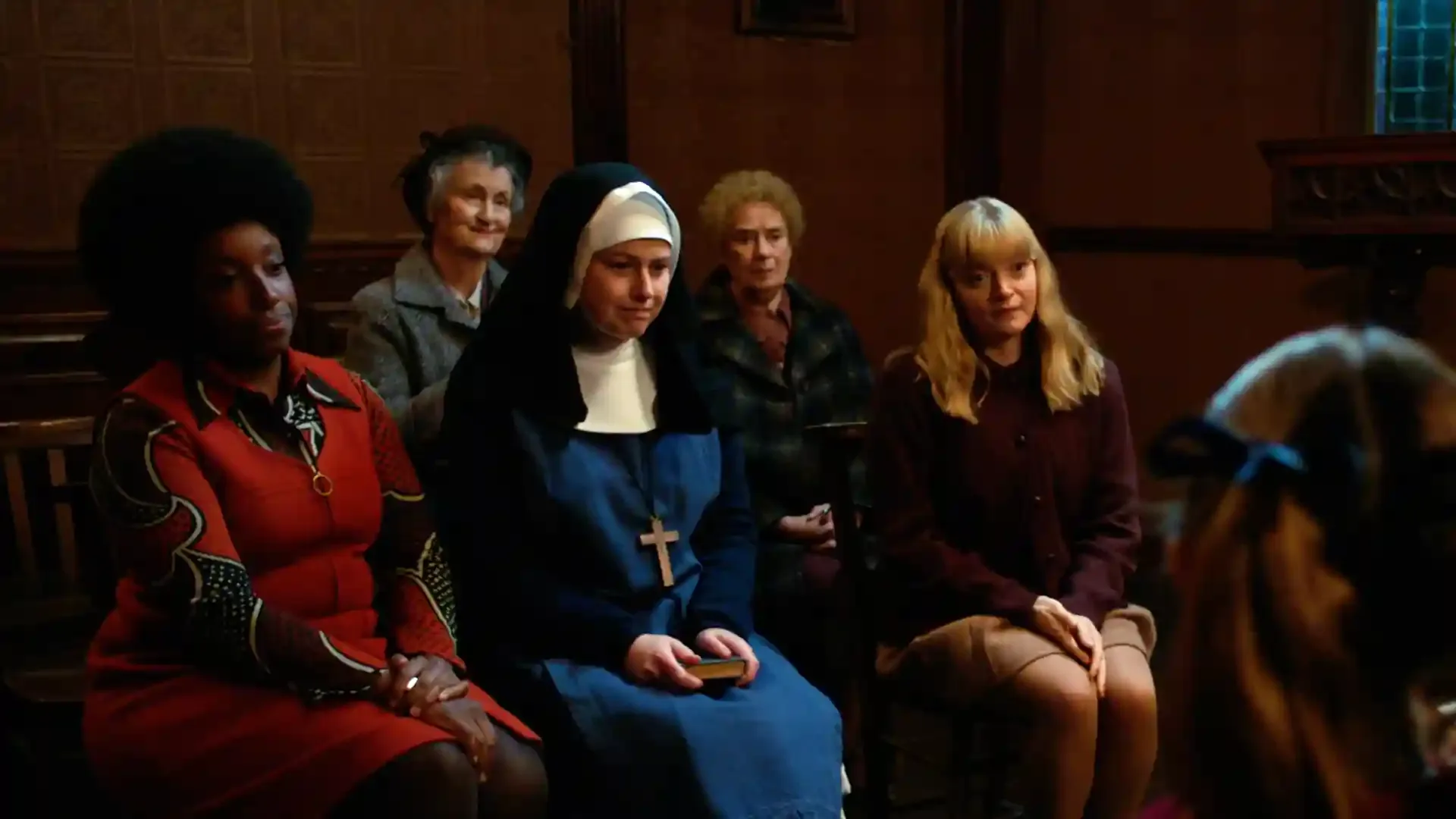
Sister Catherine (played by Molly Vevers) said it best: “Love is not violent … love is patient, and love is kind, and sometimes love pushes us to places where we do not wish to go!”
While this week’s episode carried multiple difficult storylines, they all embodied one central theme: love.
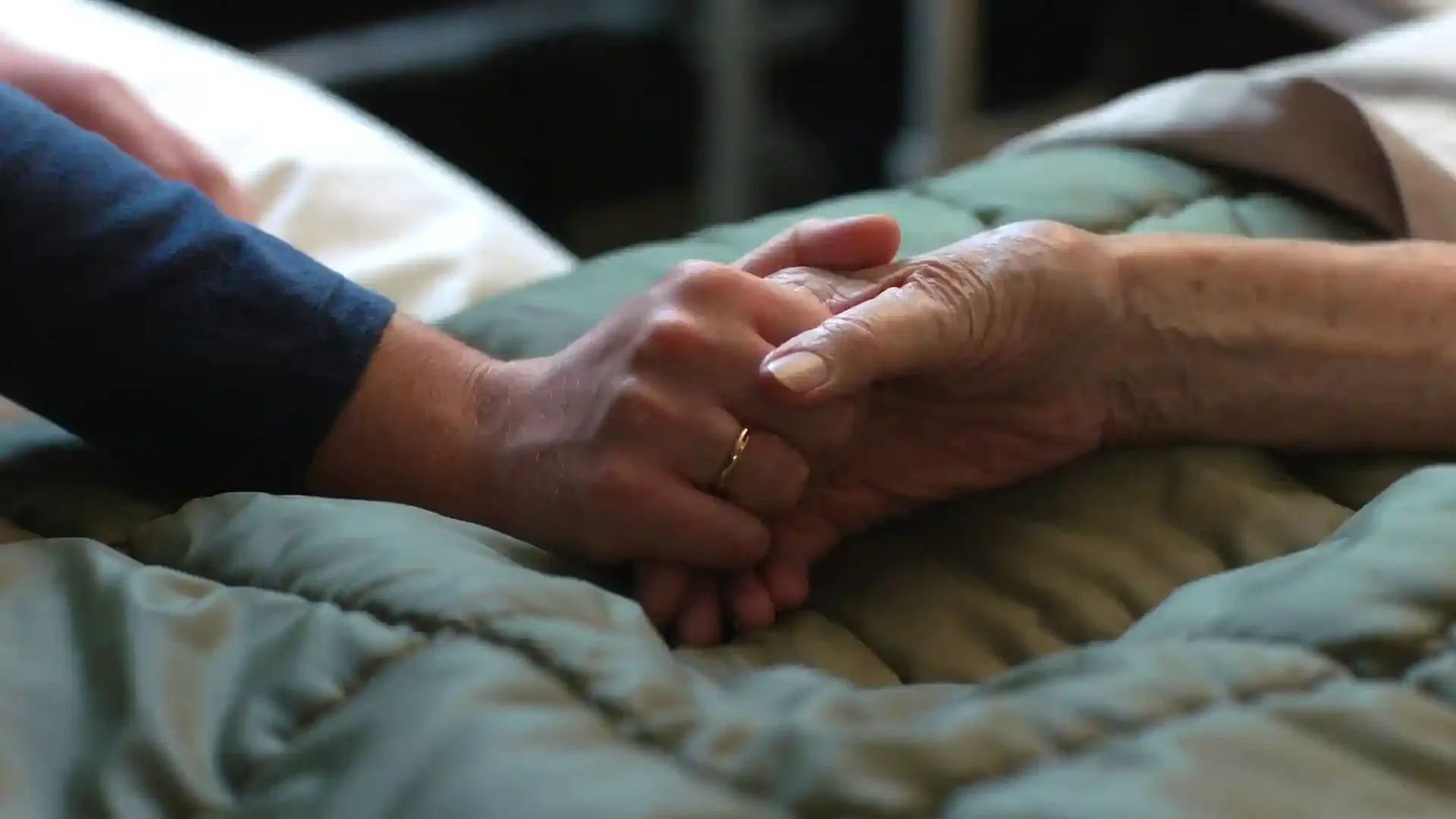
We are not referring to love in one of the simplest forms, that is, romanticized love. We are referring to love that embodies resilience, passion, empowerment, advocacy, and sacrifice. Throughout the episode, we see this manifest within families, caregivers, and in the art and work of midwifery itself.
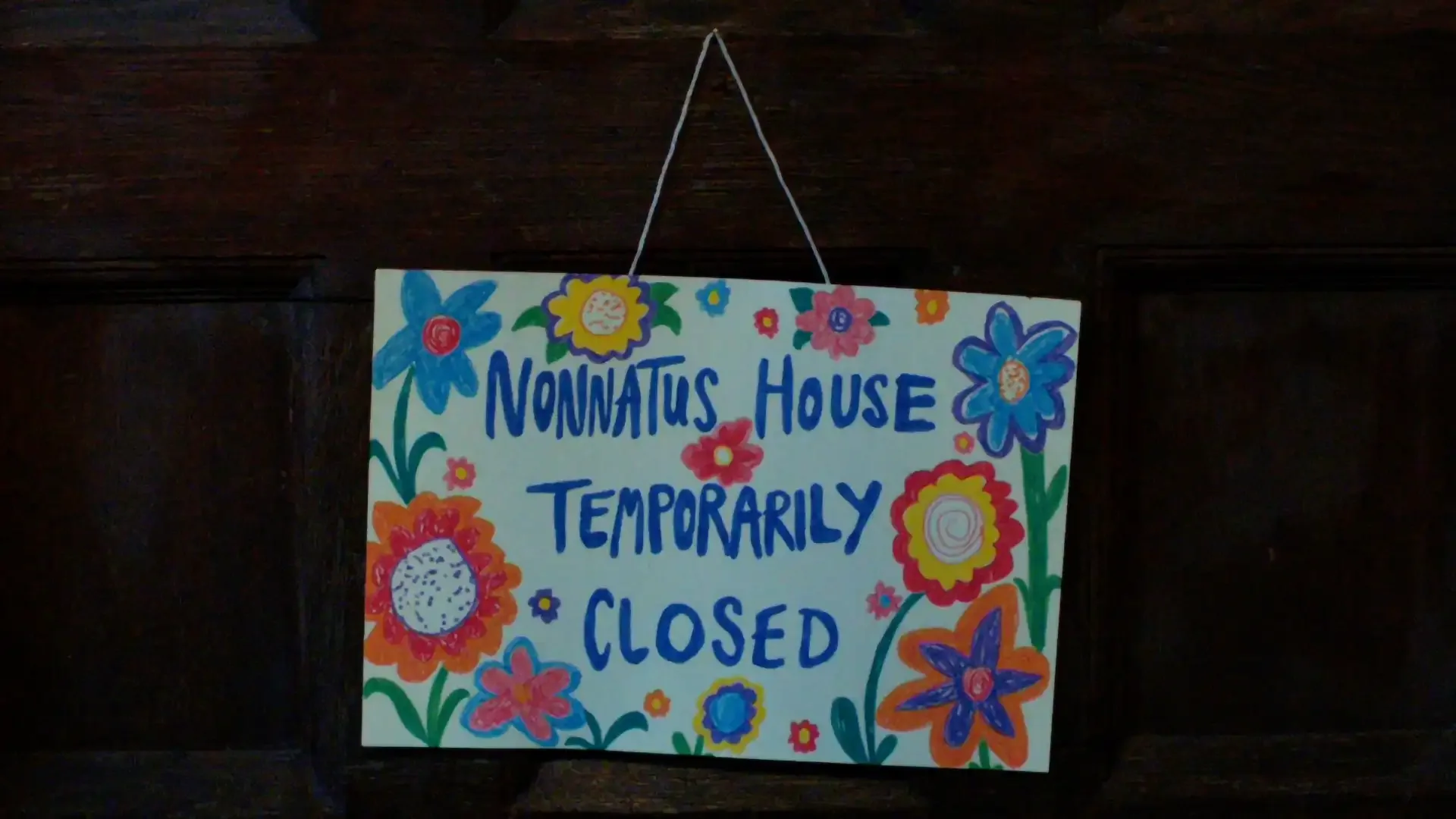
The aforementioned love is actualized through the efforts to save the maternity home, whose existence and threatened closure are an overarching storyline throughout this episode. With maternity home funding being terminated by the Board of Health, the midwives of Nonnatus House and the residents of Poplar are faced with the reality of losing access to a vital source of maternity care.
Unfortunately, this reality extends well beyond the screen.
Maternity care deserts, as they’ve been coined, are geographical areas without the healthcare providers and resources necessary to fulfill the population’s need for pregnancy-related care. As nurse-midwifery students, we’ve examined this significant public health concern in depth during our educational journey. We have learned that maternity care deserts create opportunities for poorer health outcomes for mothers and babies.
This show’s loyal viewers can certainly attest that care access has been a long-lived issue in Poplar. In fact, many seasons ago, Dr. Turner (played by Stephen McGann) opened the maternity home to address the need for a safe, alternative environment for delivery of high-risk mums and those for whom home birth is not a reasonable option.
The “birth” of the maternity home created a safe space while providing mums with broader options and greater autonomy over their births. Now, the fate of this amazing and essential resource lies at the mercy of public funding.
Fortunately for the families of Poplar, there are many advocates fighting to keep the maternity home open. Mayor Violet (played by Annabelle Apsion) shadows the midwives to get a first-hand sense of the maternity home’s necessity. She then petitions the Board of Health, presenting a list of signatures spanning several pages, claiming that it epitomizes “what midwifery looks like.”
We also have seasoned midwife Trixie (played by Helen George) facing her own internal conflict of leaving Nonnatus House for a position at The Lady Emily Clinic for Women and Babies — a private clinic.
While the new opportunity is appealing, her hesitation reflects a deeply rooted love for the patients that Nonnatus House and the maternity home serve. It also reflects her understanding that midwifery is far more than simply catching babies; it is about knowing, supporting, and caring for the women and families we serve.
As we anxiously wait for the upcoming episodes, we anticipate the possibility of the maternity home closing. Consequently, there will be a shift in the landscape of birth. What could this look like? What will this mean for the mums and babies?
Our thoughts aligned with the words uttered by Dr. Turner (played by Stephen McGann), who asked the Council, “Will you be watching to see what goes wrong? Because there’ll be plenty!”
Considering our knowledge of Poplar and the vulnerable patient population that the maternity home serves, we know its closing will be detrimental to the health of the mum-baby dyad. However, we remain hopeful that the need and love surrounding the maternity home will be recognized, and that the efforts to keep it open will not be in vain.
She earned her Bachelor of Science in Nursing from Emory University and her Master of Science in Nursing from Loyola University New Orleans, where she is currently completing her post-master’s certificate in nurse-midwifery.
Graduating in May, she is excited to begin the next chapter in her career. Her journey into midwifery has been shaped by what she’s witnessed at the bedside spanning her seven-year career — the beauty of birth, but also the gaps in the healthcare system. Those experiences have inspired her deep commitment to improve maternal health outcomes and advocate for more equitable, patient-centered care for all.
As loyal viewer and fan of Call the Midwife, Tyronique was — and continues to be — highly inspired by the community-focused model of care depicted in the show and has always considered it “nursing at its finest.” It became her goal to seek dual certification as both a Family Nurse Practitioner and Certified Nurse-Midwife so that she could provide comprehensive and culturally-responsive care to the entire family unit across the lifespan, as do the midwives of Nonnatus House.
Ty’Keria “Terie” Jackson is a nurse-midwifery student at Loyola University New Orleans, set to graduate in May 2026. She has clinical experience in both hospital and out-of-hospital settings and is passionate about physiologic birth, advancing maternal health equity, and expanding access to high-quality, culturally responsive midwifery care.