
Catch-up on Season 15 with PBS Passport
Modern Midwives Blog
“Life seldom unfolds exactly as we wish it. There are shocks and disappointments. Unwelcome revelations bring a light we can’t deny. There are new things and we fear them. There are hard things and they must be done. Sometimes we have no choice and sometimes choice is imposed upon us. And the questions pound like hammers… What lies beyond this? Where will we decide to go?”
Episode 2 storylines entailed: Two sisters-in-law, Estelle and Hope, who have recently relocated from Belfast to Poplar, and they are both pregnant. Hope is having her second birth and experiences a shoulder dystocia. The birth sounds from Hope trigger Estelle. She has witnessed so much in Northern Ireland and is traumatized by these past experiences.
Estelle is terrified of her upcoming birth. Trixie realizes that an epidural may help with this young woman. She seeks this option out and also notes an inequity between the private hospital clients and the women of Poplar at the district hospital.
Another storyline is an Easter egg hunt within the community. The hunt goes sideways when a dog is found foaming at the mouth, and they suspect rabies. The dog is cleared after a postmortem examination; however, a resident tragically dies from rabies due to an exposure during his travels abroad in India.
Rosalind and Cyril meet with Rosalind’s parents. The visit started well, but soured when her dad stated, “He is not the chap for you.” Rosalind and Cyril share their disappointment but also confirm their shared desire to move forward in their relationship.
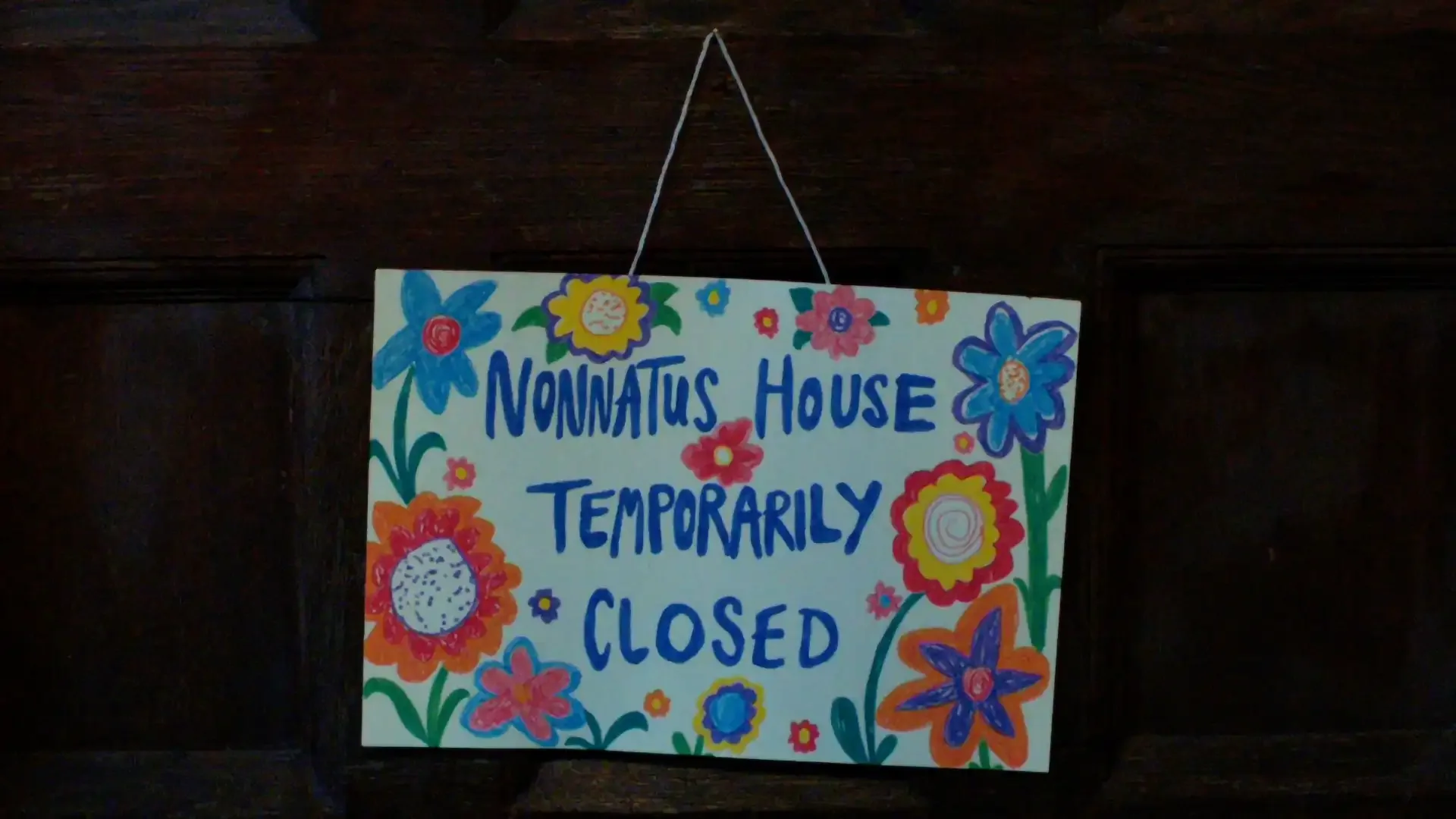
Meanwhile, Mrs. Shelagh Turner is helping May’s younger brother from Hong Kong undergo cancer treatment. Sister Veronica (Beryl) is praying on her dilemma regarding her desire for a baby, and Sister Julienne is reflecting and praying to find a way forward for Nonnatus House.
As a modern-day midwife, I want to blog on the storyline of the introduction of a new procedure in our episode — it is an epidural. It triggered strong emotions for me.
On a good note, I was moved by Trixie and Dr. Turner working so hard to have a new option for their community at St. Cuthbert’s. Trixie went the extra mile to explore and fight for equity with their community. She believed financial status and place of birth (private versus district hospital) should not be a barrier to this option.
Dr. Turner was diplomatic in bringing this potential intervention to Sister Julienne, as he realized that it would have serious repercussions for their work. Choice is always a good thing, but these choices have to go hand-in-hand with information and evidence.
Much of what is done in women’s healthcare is often introduced, and then we look backward — and altering that direction can be difficult… especially when so much money is involved in those choices.
Introducing a new medical procedure is not always a linear process. However, the goal is that it is evidence-based, coupled with your clinician’s expertise, and incorporates the client’s views, values, and preferences. How do we move an idea to an incorporated intervention? We hope that it is grounded in research and follows best practice.
In our storyline, you can tell that everything was centered on improving Estelle’s birth, and it was a patient-centered decision. You could tell that the midwives and Dr. Turner were engaging in a shared decision-making model of care. Shared decision making entails:
When something is new or emerging, we cannot know the entire picture. Sometimes things unfold with more time and research.
I had a visceral reaction, knowing the ramifications of introducing this option. I know the impact that will eventually occur in the landscape of labor and birth. There is the knowledge of the eventual decrease in options for many women. What are they??
We have witnessed limiting options with choice of birthplace, limiting of mobility in labor, limiting access to food and fluid during a labor, and increasing universal use of technology versus targeted use for higher-risk clients based on need. (Interventions such as continuous fetal monitoring and inductions of labor.)
I could read the writing on the wall — the medicalization of birth.
The Center for Disease Control (CDC) recently released new data regarding labor inductions. The information was not surprising; however, I found it disturbing. The rate of inductions from 2016 to 2024 has increased from 24.9% to 34.5%.
The findings were consistent across all maternal age groups and all gestational age categories. The largest increase was in early term gestations (37-38 weeks gestation). I have put a link to the full report in the resources.
From this increase in inductions, we too often see a cascade of interventions. It reminds me of the line in the Robert Frost (1916) poem “The Road Not Taken”:
“Yet knowing how way leads on to way, I doubted if I should ever come back.”
In our storyline, Estelle had her needs met, and I was very happy for her. She had a wonderful option that helped circumvent potential trauma. However, as I noted, too often many women have limits on their options.
In the UK, there is an organization that I really embrace called The Association of Radical Midwives (ARM). This year is their 50th anniversary. Their beginnings came from two concerned students regarding their observance of an increasing medicalization of birth.
So, the inception of their organization would have occurred five years after this storyline (since our episode takes place in 1971).
I have recently read that the acronym of ARM was specifically chosen since it also denotes the acronym of Artificial Rupture of Membranes. This is a frequent intervention during inductions and during labor. The word “radical” referred to an encouragement of midwives to return to their roots (“radix,” the Latin word for “root”). Midwife means “with woman.”
Midwifery embraces our client as the center of care, avoiding unnecessary interventions, and embracing a shared decision-making model of care. Choice within a shared decision-making model of care is always central.
I note that ARM is celebrating their landmark 50th anniversary with a conference in London on Saturday, June 20th, called “Midwifery Must Matter.” I put a link to the organization below in the resources.
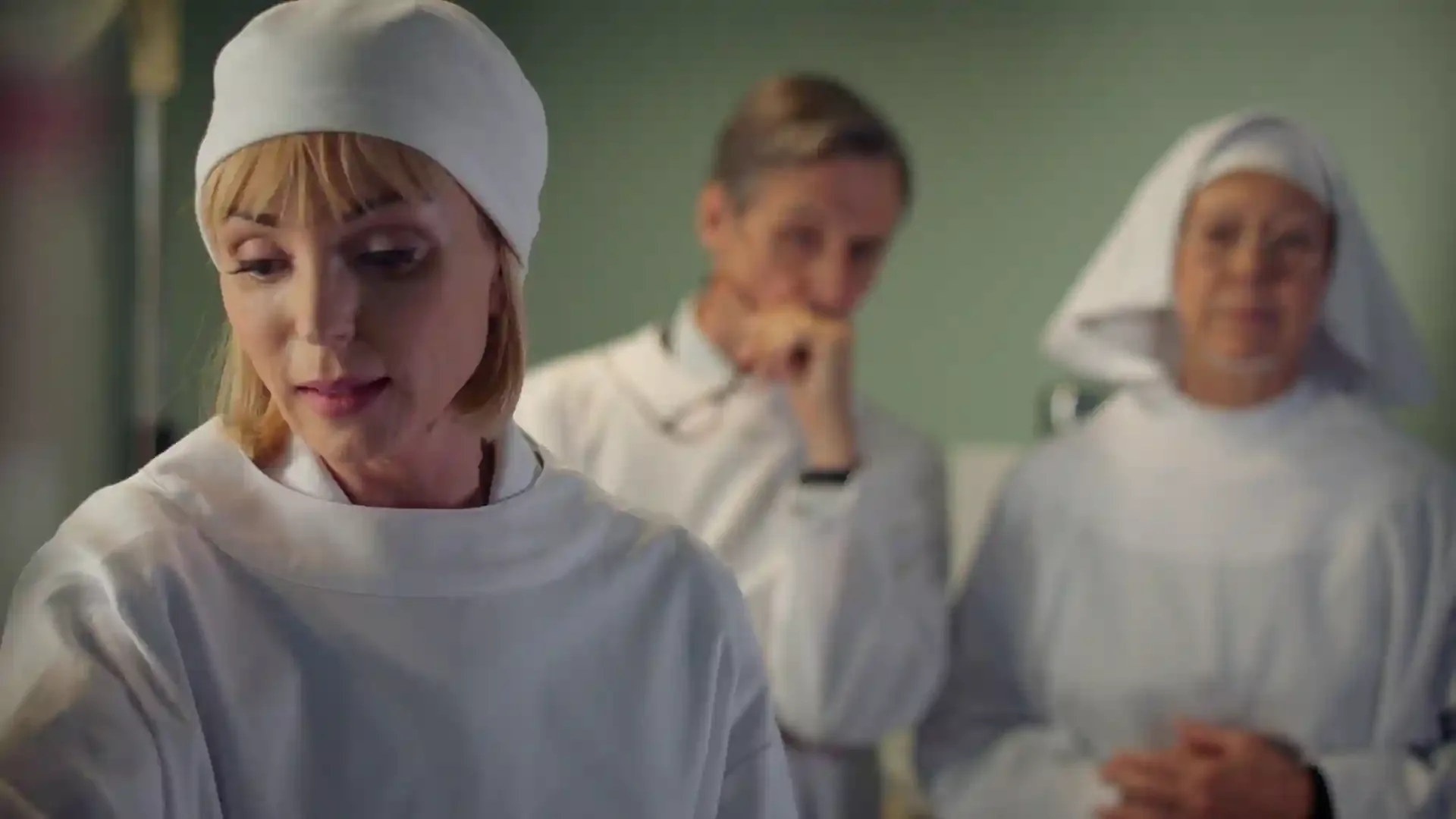
In this episode, the hospital physician identified Dr. Turner as a “dying breed.” It makes my heart sink a little — I am bracing for the train as it is speeding toward Nonnatus House and the entire team …….
“Choice is, too often, a privilege NOT granted. We must take what is given and surrender what God takes. But pain is never all there is. There is endurance and resilience. There is tenderness and strength. All these gifts force through like sunlight. Often at a cost but then welcomed all the more. We cannot dictate the weather, only our response to it. And we must turn to face the elements embracing all that comes.”